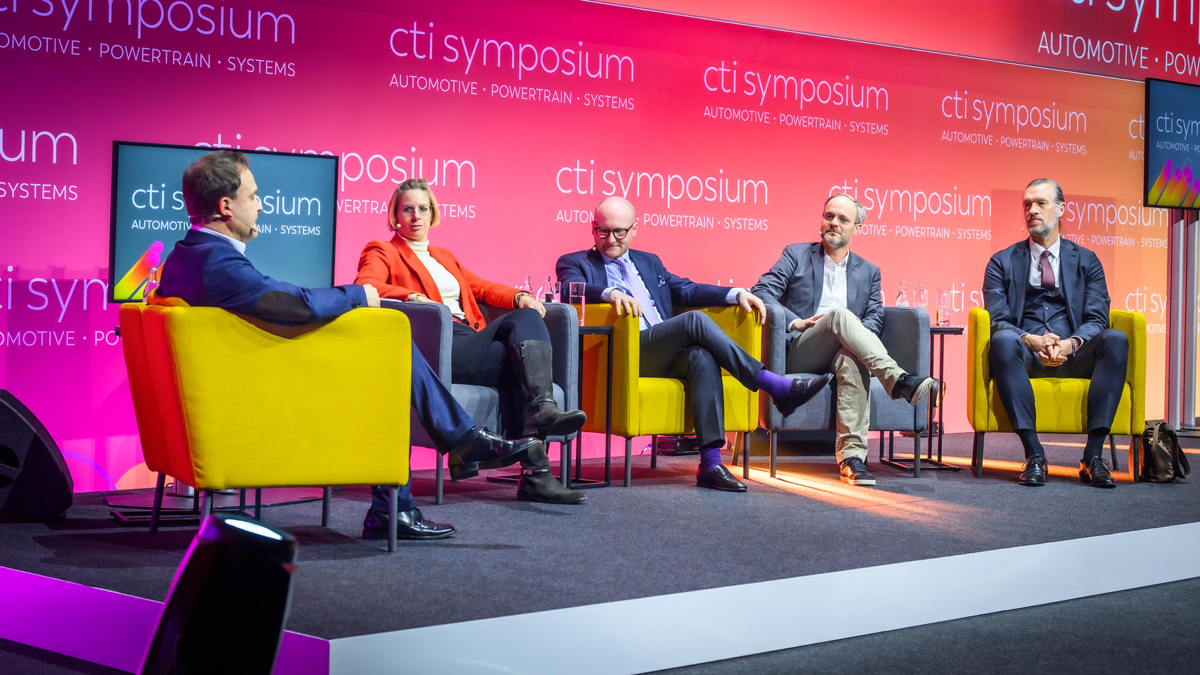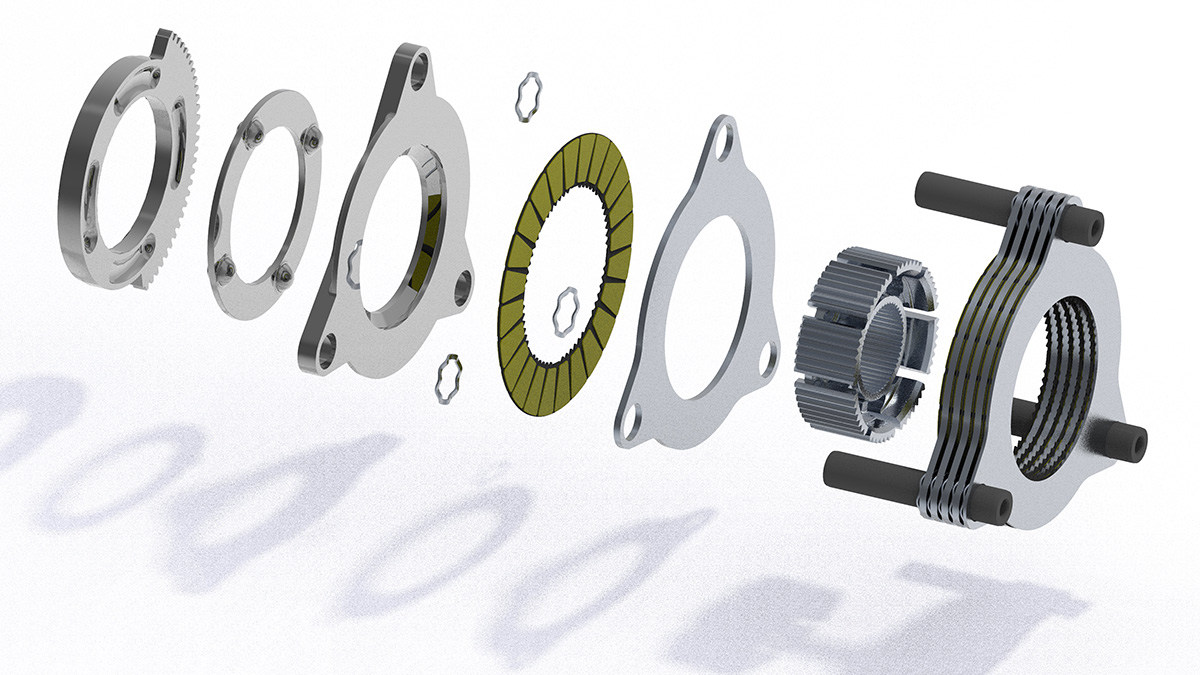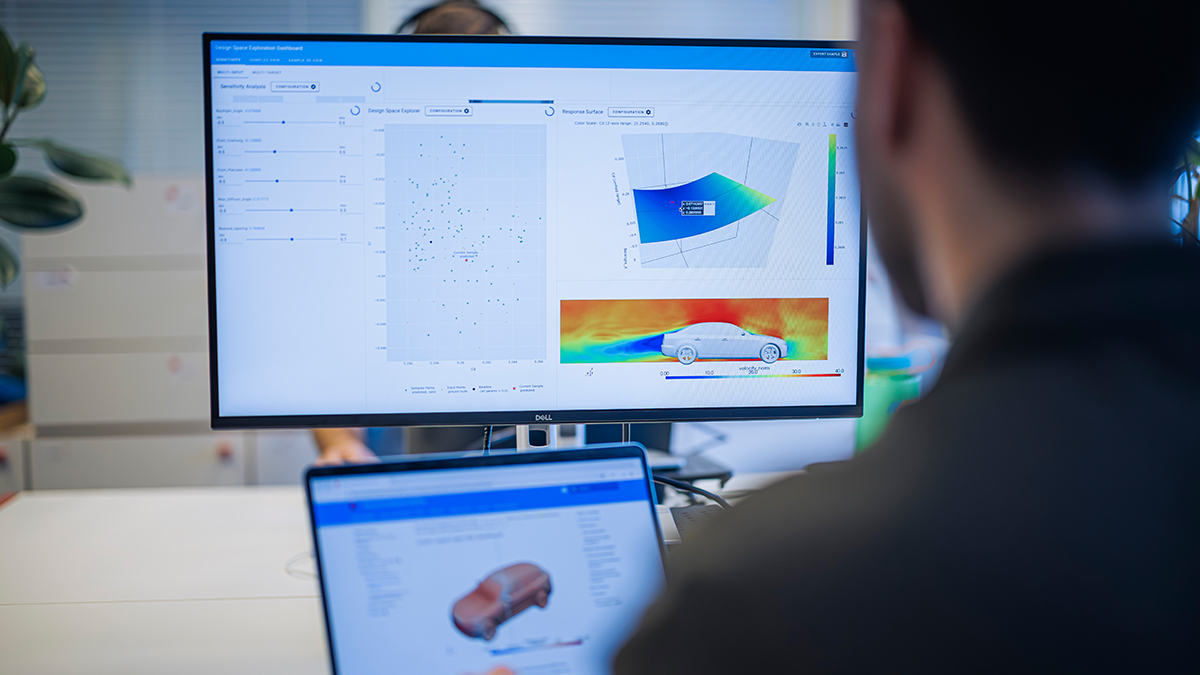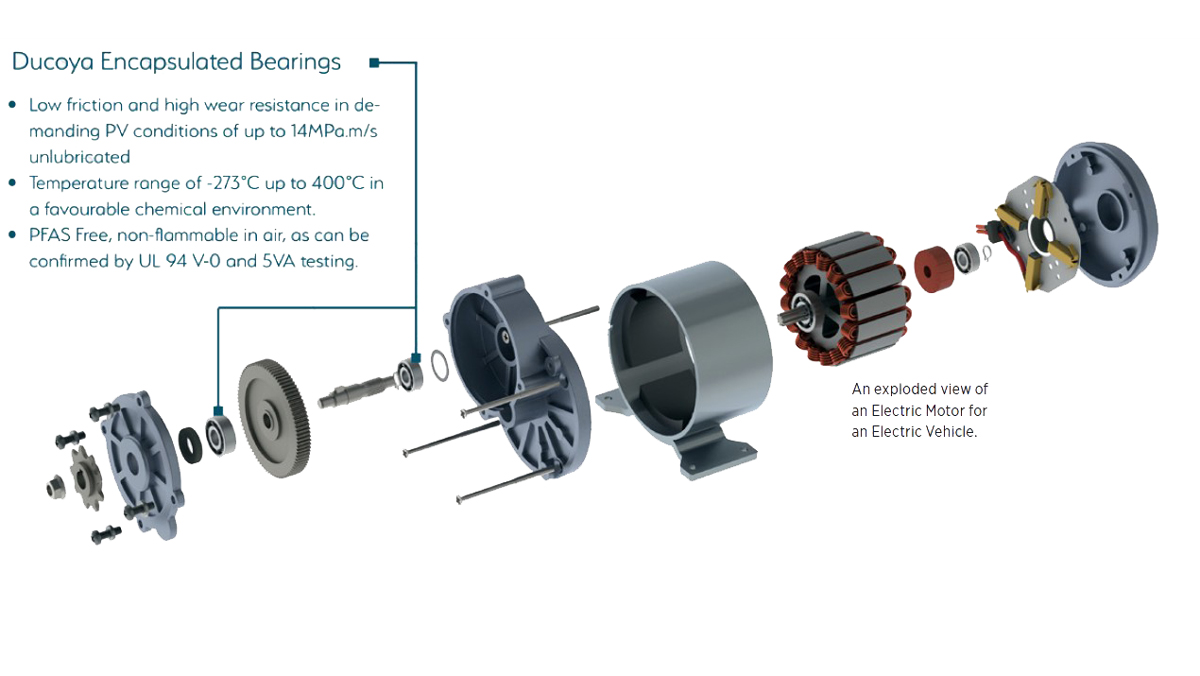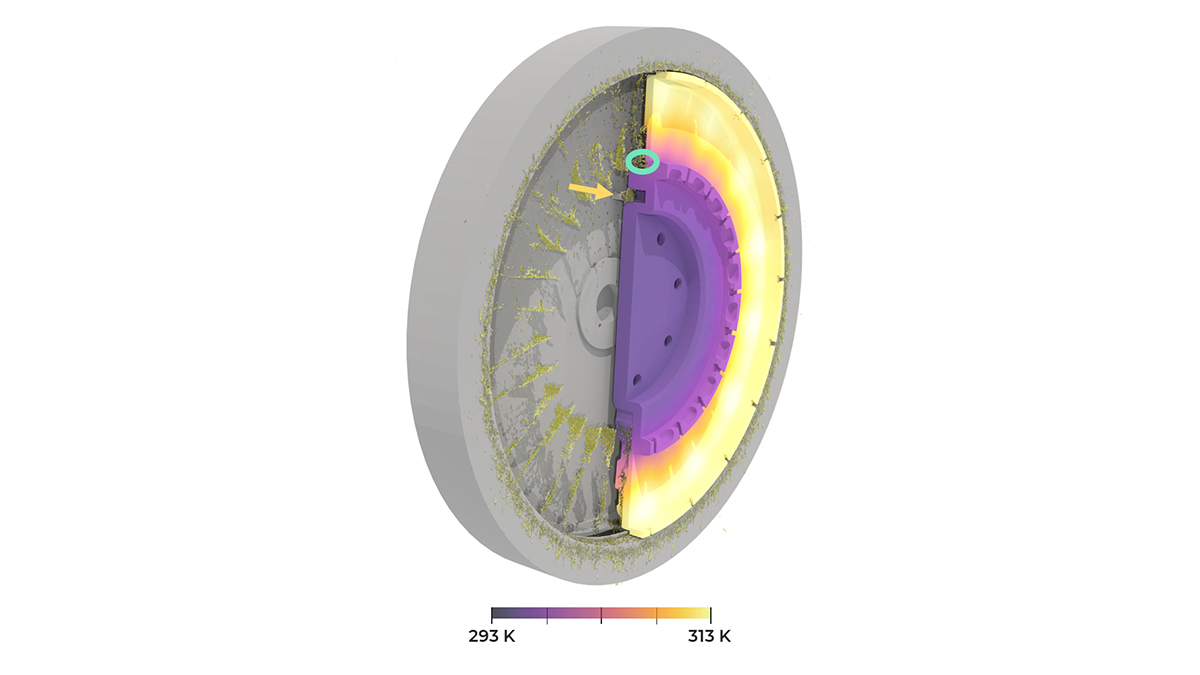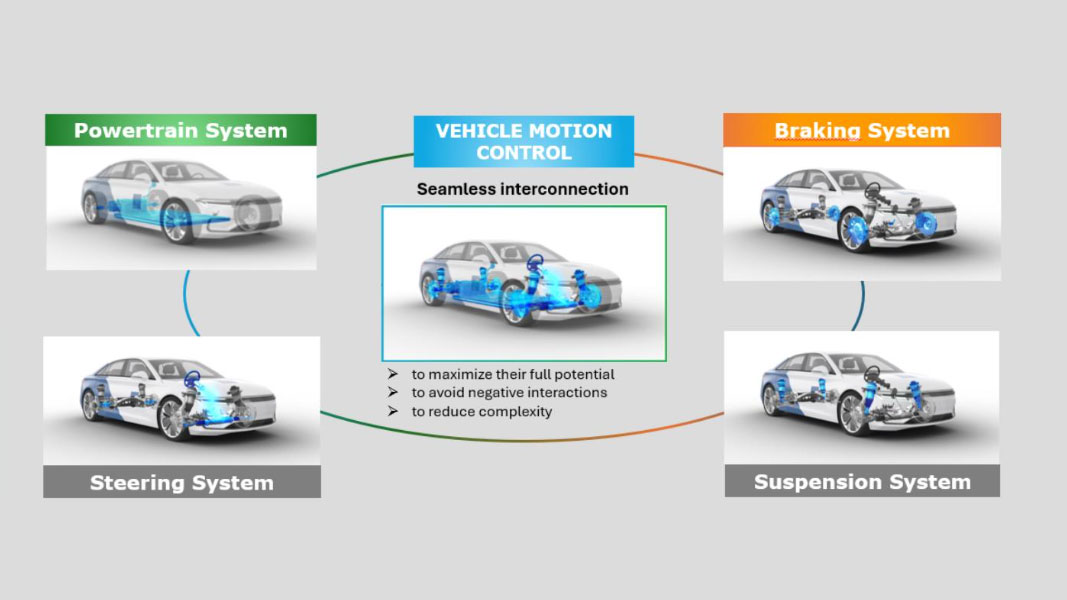
Why Vehicle Motion Control matters for the powertrain Vehicle Motion Control (VMC) is shifting from a chassis-led specialist topic to a decisive development discipline for electrified drivetrains. As electrification and rising computing capability reshape vehicle architectures, motion can no longer be treated as the sum of separate domains. For powertrain engineers, that means traction, stability…
Continue readingNews: News
Interview “Our Future Hybrids are Designed to Fit in All Current BEV Platforms”
Ingo Scholten, CTO, Horse Powertrain In addition to dedicated hybrid transmissions, Horse Powertrain also supplies dedicated combustion engines and complete drive modules. At the 28th CTI Symposium in Berlin last December, we spoke to Ingo Scholten, CTO of Horse Powertrain, about developments in current and future hybrid technology.
Continue readingAI can make Good Engineers even Better
At the CTI Symposium 2025 in Novi, Luca Zampieri, Engineering Director US at Neural Concept, gave a presentation on “Engineering Intelligence Driving the Future of Powertrain Development”. We spoke with him about how engineers and the products they design can benefit from using AI engineering software. Luca, what can Neural Concept do for the automotive…
Continue readingRethinking Power Conversion for Mobility
Kim App, VP Sales & Marketing, Marel Power Electrification is redefining passenger vehicles and heavy-duty trucks, placing new demands on efficiency, power density, scalability, and supply resilience. At the center of this shift is the power conversion layer — the link between the power semiconductors and the systems that deliver motion. Marel’s architecture rethinks how…
Continue readingHigh Performance, Magnet-Free Electric Motors
Rory Brogan, Founder & CEO, Torev Motors Torev Motors develops wound rotor axial flux motors for automotive and defense vehicles.
Continue readingInnovation Powered by High-Fidelity Multiphysics Modeling
A Holistic System Optimization of BorgWarner’s Next Generation Integrated Drive Modules Dr. Arnaud Leblay, System Engineer Technologies & Innovation Eric Bourniche, Engineering Supervisor Technologies & Innovation Dr. Pascal David, Engineering Manager Technologies & Innovation Adrien Bossi, System Engineer Technologies & Innovation Harsha Nanjundaswamy, Engineering Director Technologies & Innovation all BorgWarner PDS
Continue readingNo-Compromise Propulsion for the Heavy-Duty Electric Pickup
How a 2-speed integrated e-Beam axle removes the final barrier to practical heavy-duty electrification Dan Ouwenga, Director – Product Management, Dauch The promise of electric propulsion has always been straightforward: instant torque, smooth drivability, reduced NVH, and lower lifetime operating costs. For light-duty passenger vehicles, that promise has largely been delivered. But for the heavy-duty…
Continue readingTaurus: a powerful mix of industry standard and lessons learned through experience
Automotive drivetrain engineers aim to perfect and refine electric drive lines to the point where they operate right at the edge of what is physically possible. This requires simulation models, to act as cost function in the design process or to train reduced order models. These latter models should incorporate all physical loss and performance…
Continue readingHow deeptech is already revolutionising EV powertrain engineering
Simon Shepherd, Head of eDrive and Chief Product Officer, Monumo Deeptech is transforming EV powertrain engineering by introducing new levels of computational freedom, speed, and system integration, allowing companies to achieve levels of performance and cost reduction previously out of reach through existing methods.
Continue readingData Driven Cost Measure Generation for Automotive Systems Using Teardown Intelligence and AI
Ivan Jovanovic, Team Leader Incubation InnoHub Cost optimization in modern drivetrain systems requires more than benchmarking—it demands structured, data driven ideation. This article presents an AI supported methodology that leverages largescale teardown intelligence to systematically generate and assess cost measures at component and system level. The approach bridges the gap between engineering detail and cost…
Continue reading