Why Vehicle Motion Control matters for the powertrain
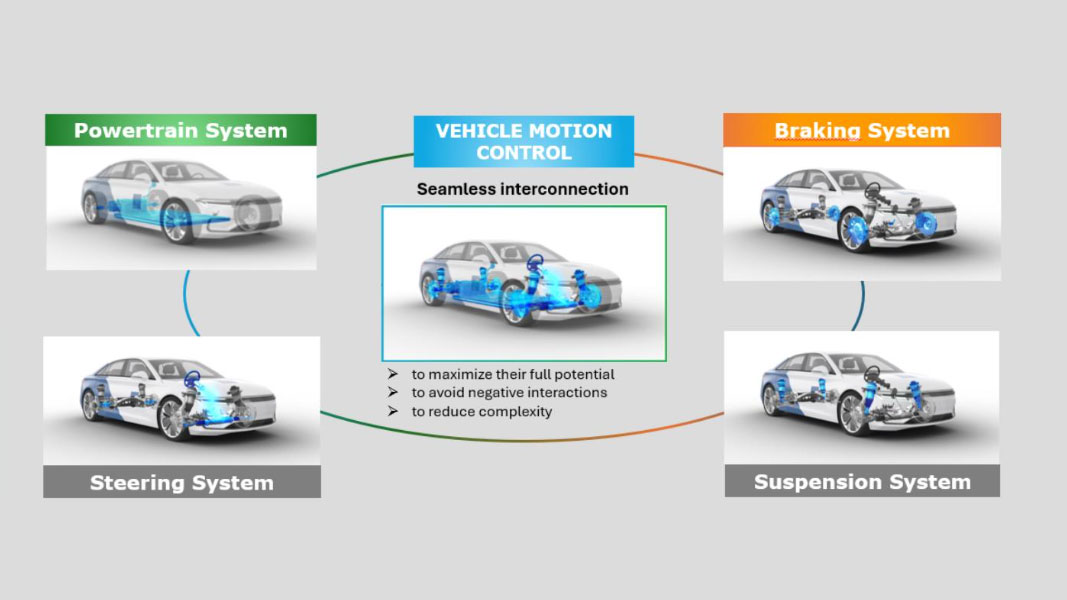
Vehicle Motion Control (VMC) is shifting from a chassis-led specialist topic to a decisive development discipline for electrified drivetrains. As electrification and rising computing capability reshape vehicle architectures, motion can no longer be treated as the sum of separate domains. For powertrain engineers, that means traction, stability and energy recuperation cannot be optimised in isolation. They must be designed as one coordinated envelope in which propulsion and braking are orchestrated across software, electronics and actuators, with robust interfaces to steering and suspension.
Picture 1: Vehicle Motion Control, Source: Adapted from AVL
Domains are merging — in the vehicle and in the workflow
Modern chassis technologies such as electro-mechanical brakes, steer-by-wire and active suspension interact directly with powertrain torque strategies, and vice versa. This forces cross-domain system engineering, shared development tools, and common interfaces and communication mechanisms. At the same time, the transition towards software-defined vehicles and centralised computing is dissolving the boundaries that once separated powertrain and chassis control. Vehicle motion increasingly depends on integrated software and electronics architectures rather than predominantly on mechanical interactions. In practice, teams must align function partitioning and arbitration, message aggregation and timing, and collaboration models when software is deployed centrally rather than domain-locally.
Electrification tightens the coupling: regeneration and brake blending
Electrification makes interdependence unavoidable. Regenerative braking and wheel slip control requires precise coordination between the electric motor, friction brakes and brake-by-wire systems. The powertrain takes over a major part of braking work over the vehicle lifetime, while customers expect service-free brake solutions consistent with the EV experience. As a result, brake blending, torque arbitration and longitudinal & lateral & stability control are no longer “downstream” calibration topics. They become cross-domain design challenges that need early alignment between powertrain and chassis experts on targets, control logic and architecture.
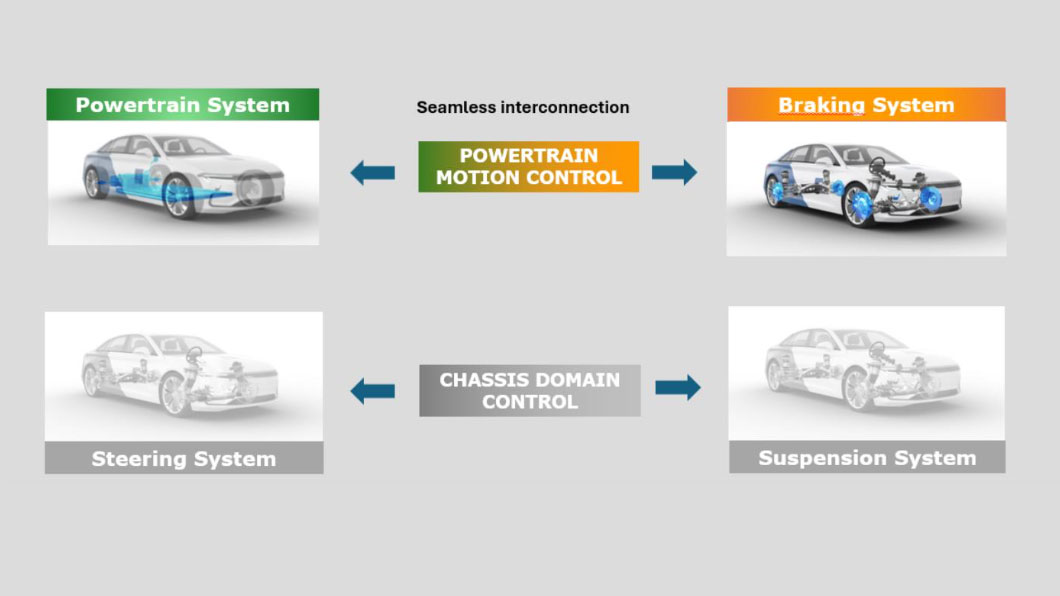
Picture 2: Interdependence of Powertrain System and Braking System, Source: Adapted from AVL
Regulation and new methodologies raise the stakes
Tightening frameworks on particulate emissions influence braking strategies and reinforce the need to co-develop recuperation, blending and torque arbitration across domains, balancing efficiency, safety and compliance. This calls for new calibration approaches, new sensing concepts and revised system architectures. In parallel, virtual development methods supported by artificial intelligence are changing how complexity is handled, strengthening cross-domain system engineering from top to bottom, consistent software-to-hardware partitioning, and shared communication and timing concepts for motion-related signals.
Defining electrified Powertrain Motion Control (EPMC) within VMC
Against this backdrop, electrified Powertrain Motion Control (EPMC) is being defined as an integral part of VMC. While VMC is the overarching integrated approach to manage vehicle motion, EPMC focuses on the combined control of propulsion and braking, including related energy flows, across relevant levels: software, computing hardware, sensing, logic and power networks, and actuator subsystems. And in addition to seamless braking coordination EPMC interfaces also to steering and suspension. It spans layers from integrated motion control software and central motion computing hardware through combined logic and power networks to actuators such as e-axles, In-Wheel-Motors and mechanically integrated “X-in-1” solutions, with energy management across battery, power network and thermal systems as an integral element. The intent is to provide an architectural and functional frame in which propulsion and braking can be designed, controlled and optimised together.
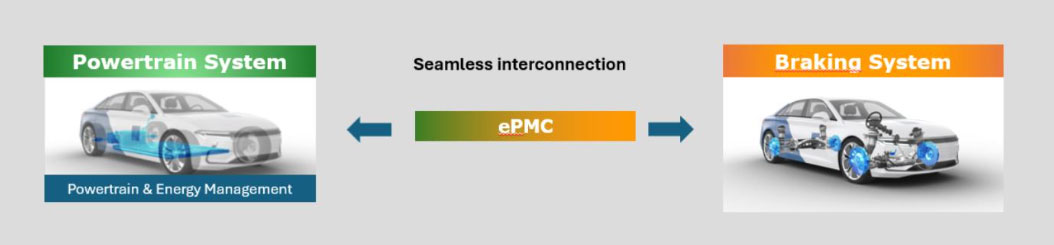
Picture 3: ePMC – ePowertrain Motion Control, Source: Adapted from AVL
Why this belongs at CTI SYMPOSIUM GERMANY 2026
EPMC also has a clear conference implication. At CTI SYMPOSIUM GERMANY, powertrain development engineers and chassis development engineers have typically not met in the same technical context, and VMC has not been a dedicated part of the program so far. In 2026, VMC will be included for the first time, reflecting the shift towards integrated architectures and cross-domain development. For engineers working on electrified drivetrains, braking and recuperation strategies, or the software and computing architecture enabling these functions, this is a timely opportunity to build a shared language and systems perspective. Establishing EPMC in the community’s vocabulary helps to name the intersection where propulsion, braking and energy flows become one coherent control task—an area that will shape performance, efficiency and development speed in future drivetrain and driving systems programs.
Authors:
Stephan Rebhan, Senior Vice President Corporate Engineering Services (CES) – Schaeffler
Patrick Leteinturier, Fellow Automotive Systems – Infineon
Erik Bogner, Director Product & Business Development, Chassis & Vehicle Motion, AVL
CTI – Car Training Institute