Development work in electric motors and drives remains highly innovative, range extenders are finding their place beyond China, too, and artificial intelligence is increasingly conquering cars and powertrain technologies. A review of the 28th CTI Symposium, Automotive Powertrain Systems, Berlin, in December 2025. Report: Gernot Goppelt, CTI Correspondent
Continue readingAuthor: admin
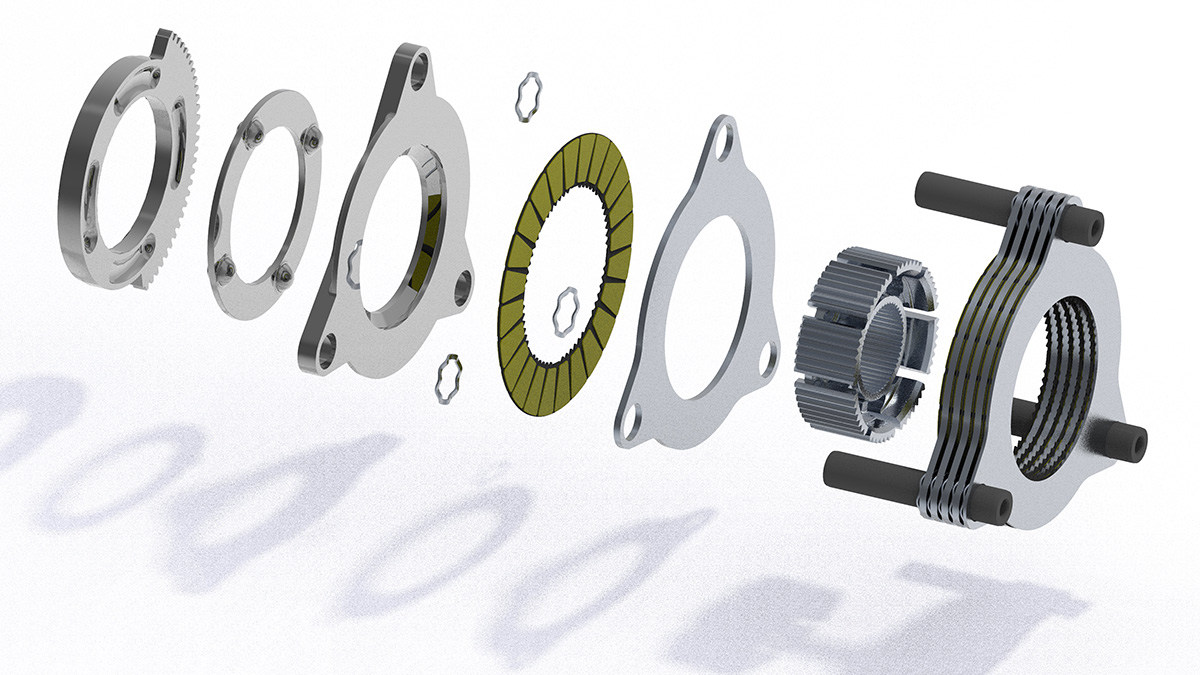
Miba Zero Emission Brake A New Approach to Sustainable Braking Systems
The automotive industry is undergoing a major transformation. Electrification, stricter emission regulations and increasing demands for efficiency are driving innovation across the vehicle. While exhaust emissions have declined significantly, attention is increasingly shifting toward non-exhaust emissions, including brake particle emissions.
Continue readingFREE WEBINAR: Electrified Powertrain Motion Control (ePMC) Meets Vehicle Motion Control (VMC)
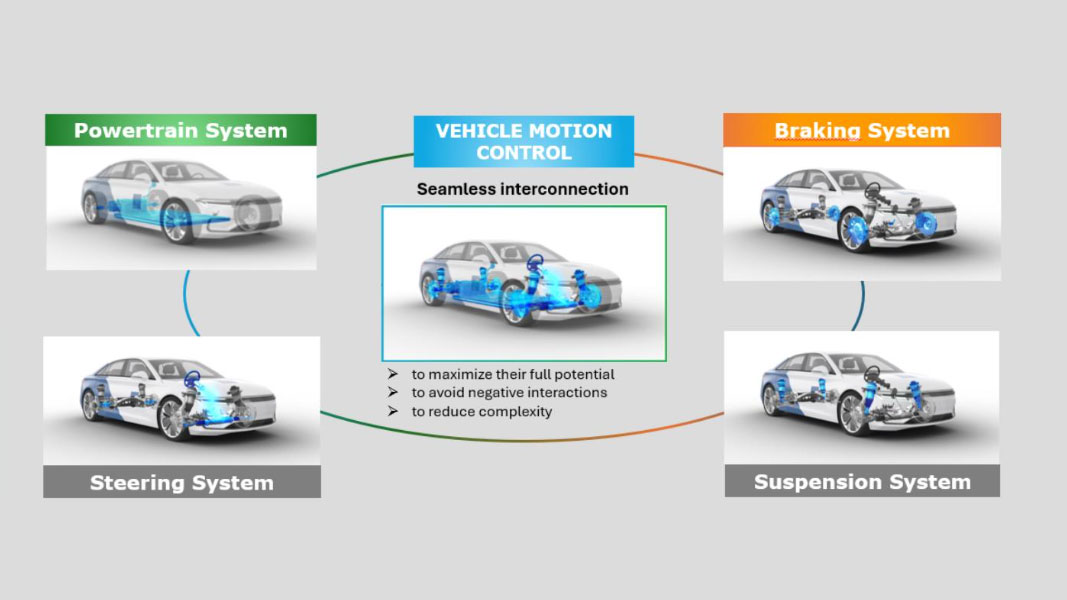
Date: 17 September 2026 | Time: 1pm – 2pm Vehicle Motion Control (VMC) is rapidly moving from a chassis specialist topic to a decisive discipline for electrified drivetrains. With software-defined vehicle architectures and centralised computing on the rise, traction, stability and energy recuperation can no longer be optimised in separate silos. Instead, propulsion and braking…
Continue readingHow AI Redefines Automotive Engineering Workflows
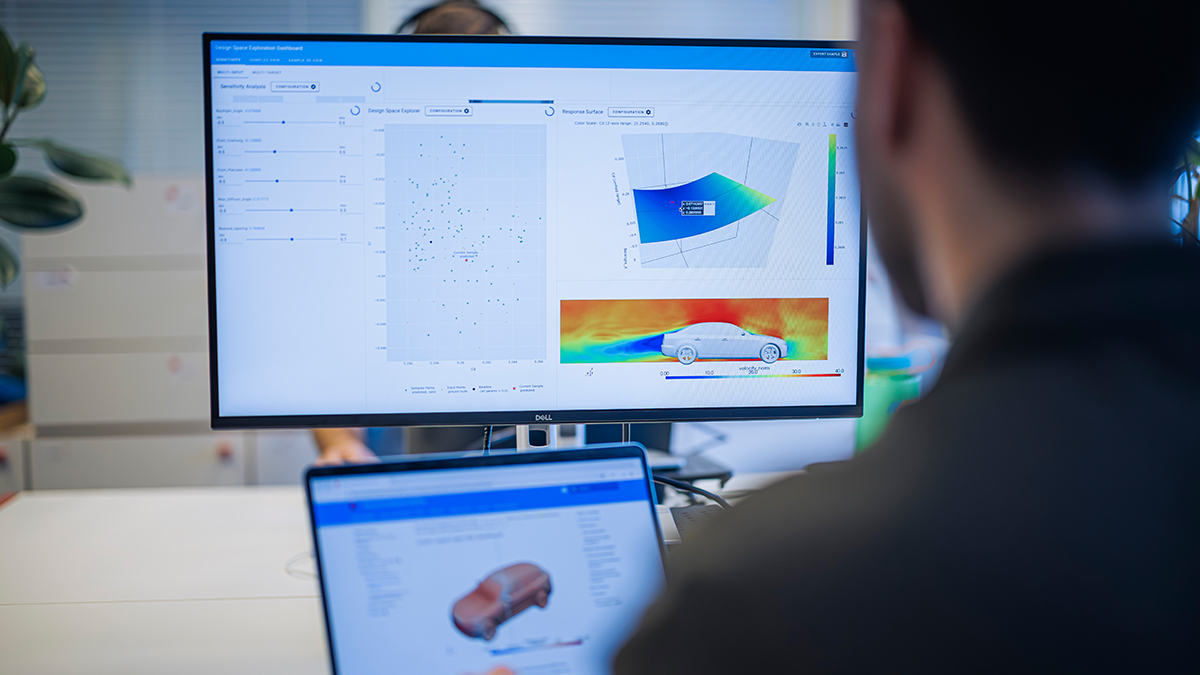
Théophile Allard, CTO and co-founder at Neural Concept The automotive industry is undergoing a structural shift. Development cycles compress from years to months, regulatory requirements multiply and customer expectations rise. The automotive industry’s structural challenges feel more burning than ever: deliver better vehicles, faster, without sacrificing quality or cost.
Continue readingWe Need to Talk About the Grounding Ring
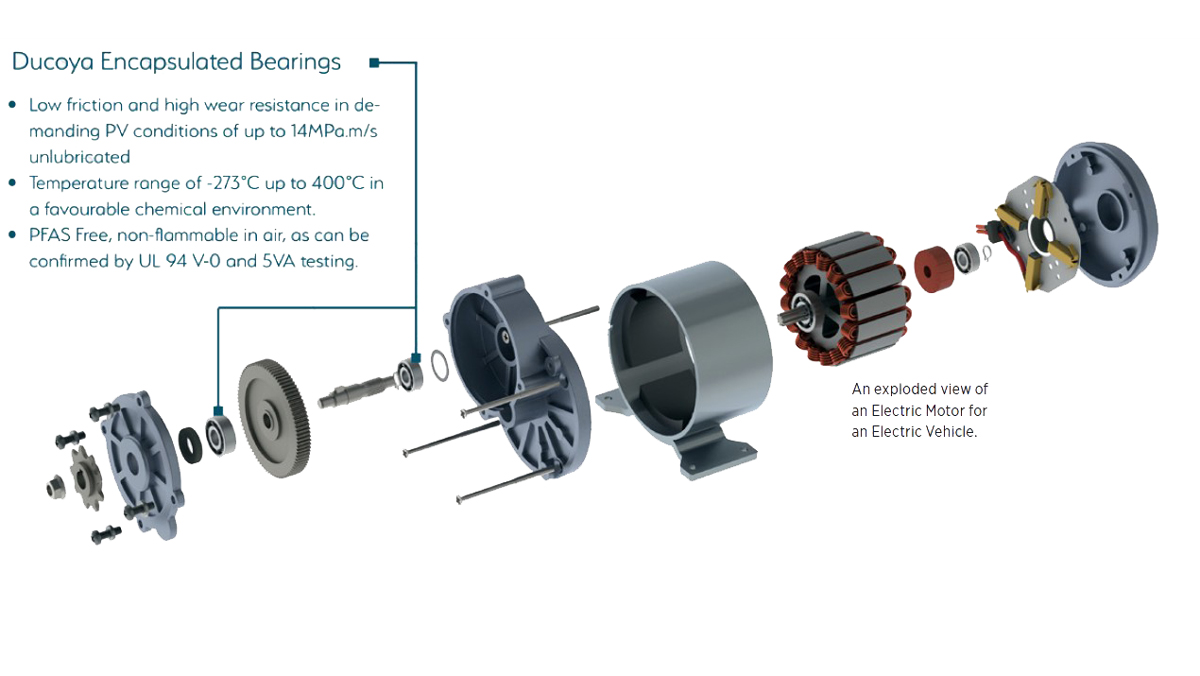
Goeff Lewis, Technical Director, Duvelco OEMs love SiC and GaN [1]; higher switching speeds lead to more efficient motors, which in turn mean greater range or lighter, less expensive batteries for the same BEV range. Higher switching speeds, dV/dt, can mean increased displacement current coupled onto the motor shaft [2].
Continue readingThermal Analysis of Axial-Flux In-Wheel Motors
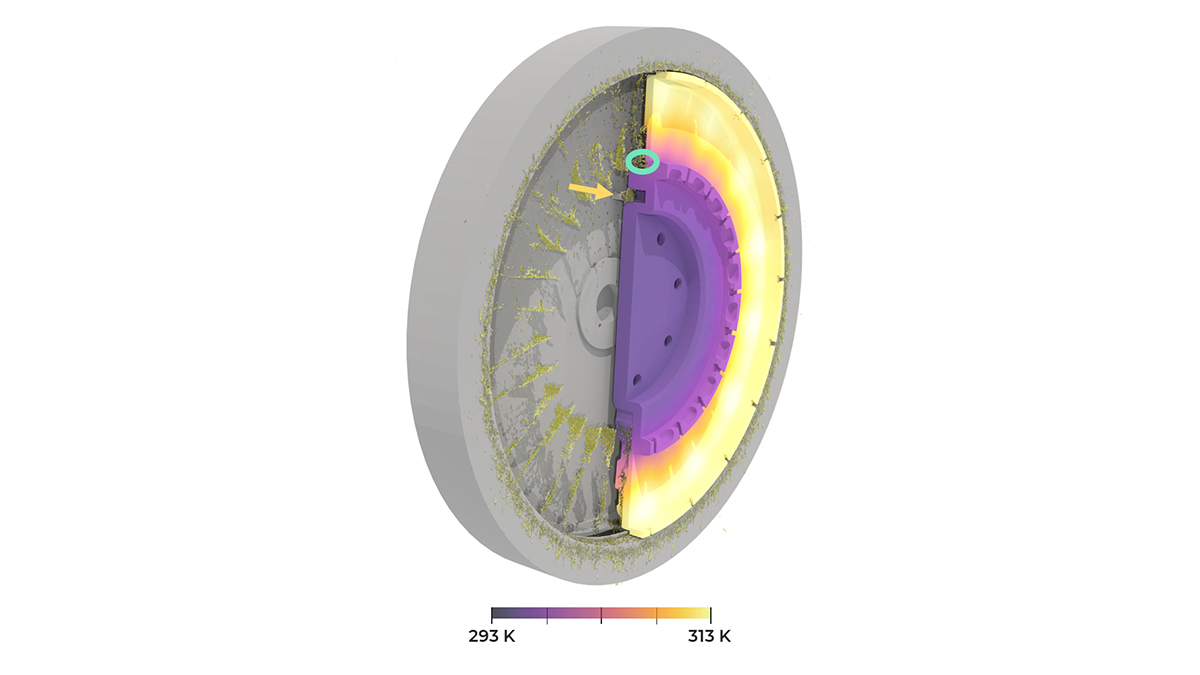
* Simulation results visualizing free surface flow of the oil jet (injection nozzle indicated by the yellow arrow) on the left side and heat distribution in the rotor on the right side, resulting from one single MPX simulation. The green circle marks the location of an infrared sensor. Investigating e-motor thermals as a result of…
Continue readingePMC Meets VMC: Why Powertrain and Chassis Control Now Belong Together
Why Vehicle Motion Control matters for the powertrain Vehicle Motion Control (VMC) is shifting from a chassis-led specialist topic to a decisive development discipline for electrified drivetrains. As electrification and rising computing capability reshape vehicle architectures, motion can no longer be treated as the sum of separate domains. For powertrain engineers, that means traction, stability…
Continue readingInterview “Our Future Hybrids are Designed to Fit in All Current BEV Platforms”
Ingo Scholten, CTO, Horse Powertrain In addition to dedicated hybrid transmissions, Horse Powertrain also supplies dedicated combustion engines and complete drive modules. At the 28th CTI Symposium in Berlin last December, we spoke to Ingo Scholten, CTO of Horse Powertrain, about developments in current and future hybrid technology.
Continue readingAI can make Good Engineers even Better
At the CTI Symposium 2025 in Novi, Luca Zampieri, Engineering Director US at Neural Concept, gave a presentation on “Engineering Intelligence Driving the Future of Powertrain Development”. We spoke with him about how engineers and the products they design can benefit from using AI engineering software. Luca, what can Neural Concept do for the automotive…
Continue readingRethinking Power Conversion for Mobility
Kim App, VP Sales & Marketing, Marel Power Electrification is redefining passenger vehicles and heavy-duty trucks, placing new demands on efficiency, power density, scalability, and supply resilience. At the center of this shift is the power conversion layer — the link between the power semiconductors and the systems that deliver motion. Marel’s architecture rethinks how…
Continue reading